How To Access Remote Iot Devices Behind A Router On Android For Free

The proliferation of Internet of Things (IoT) devices in residential and commercial settings has dramatically expanded the landscape of interconnected technology. A recurring challenge for users and developers alike is accessing these devices remotely, especially when they are situated behind a router's protective firewall, using an Android device, and critically, without incurring significant costs. This objective often navigates a complex interplay of network configuration, security protocols, and technological ingenuity.
Editor's Note: Published on July 16, 2024. This article explores the facts and social context surrounding "how to access remote iot devices behind a router on android for free".
The Evolving Demand for Off-Network Connectivity
As IoT devices ranging from smart home sensors and security cameras to industrial monitors become increasingly commonplace, the ability to interact with them beyond the local network is no longer a luxury but a fundamental expectation. Users anticipate checking their home security feed from vacation or adjusting climate controls from the office. This demand for constant, ubiquitous access clashes with standard network architectures designed primarily for security: routers employing Network Address Translation (NAT) and firewalls to shield internal networks from direct external threats. Historically, achieving remote access often involved technical expertise or subscription services, placing a barrier for those seeking free solutions.
"The inherent security mechanisms of a typical home router, while essential for protection, are precisely what make 'free' and 'easy' remote IoT access a significant technical hurdle. It's a classic conflict between accessibility and security," notes a cybersecurity expert speaking anonymously on network infrastructure.
Unpacking Core Technical Challenges for Remote Access
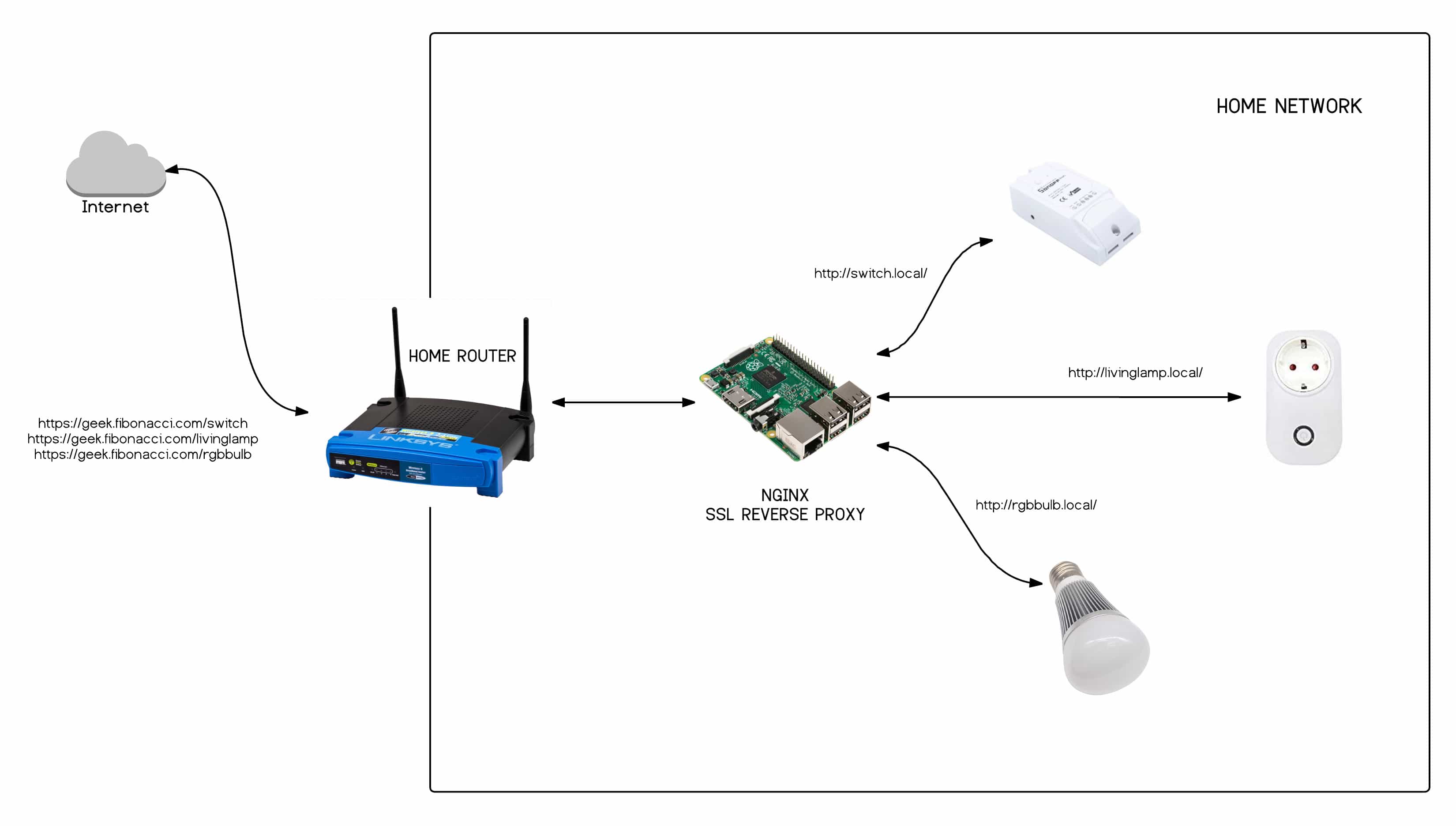
Accessing an IoT device located behind a router from an external network, such as through an Android phone's mobile data, presents several fundamental technical obstacles. The primary barrier is Network Address Translation (NAT), which allows multiple devices on a private network to share a single public IP address. While efficient for IP conservation and security, NAT prevents unsolicited incoming connections from the internet to internal devices. Furthermore, firewalls actively block unrequested inbound traffic. Dynamic IP addresses, common in residential internet services, add another layer of complexity, as the public IP address of the router can change, making it difficult for an external device to consistently locate the target network.
Recommended Posts
➜ Bridget Fondas 2023 Life Family And Her Remarkable Journey
➜ Marlon Jackson And His Famous Siblings A Glimpse Into The Jackson Family Legacy
➜ Ali Andreea Net Worth Unveiling The Financial Success Of A Rising Star
➜ All About Andy Bassich The Life Challenges And Accident Of A Renowned Survivalist
➜ Exploring The Life Of Jason Alexanders Kids A 2024 Perspective
Mastering Remote Manage IoT Behind Router Free Android The Ultimate Guide
How To Manage Remote IoT Devices For Free A Complete Guide
